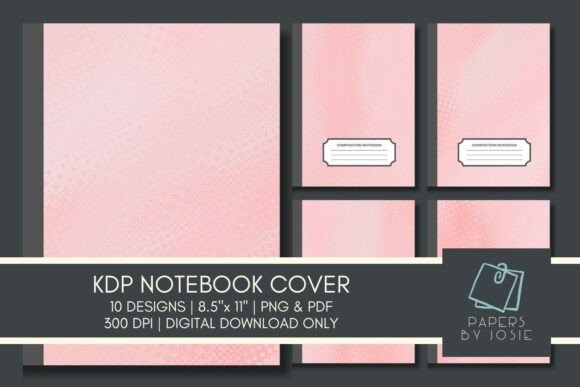
Light Pink KDP Notebook Cover – A Designer's Guide
If you're building a low-content publishing business on Amazon KDP, you already know the cover is the first thing a buyer sees. It's not just decoration—it's a signal. The Light Pink KDP Notebook Cover sits in a sweet spot: soft enough to feel approachable, clean enough to read clearly at thumbnail size. I've worked through dozens of cover designs for clients, and this particular collection keeps coming up when someone wants a feminine, professional look without tipping into saccharine territory. Let's walk through what you're actually getting, where these covers shine, and how to make the most of them in your own catalog.
Visual Personality and Design Language
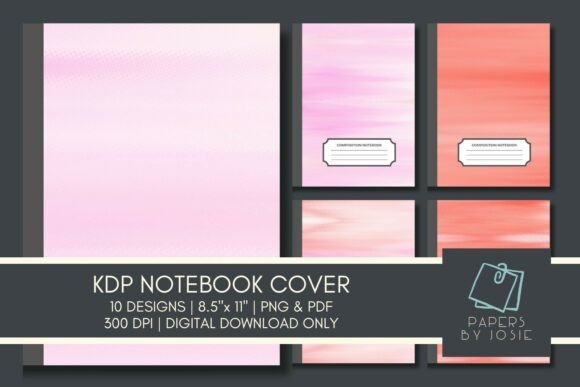
The ten cover designs in this set share a cohesive visual DNA. Each one uses light pink as the dominant hue, but the way that pink interacts with typography and layout varies. Some covers lean into a minimalist aesthetic—think generous white space, a single delicate floral accent, and a clean sans serif title. Others incorporate subtle watercolor textures or soft geometric patterns that give the pink more depth. What ties them together is restraint: none of the designs feel busy or overwrought. That matters for a composition notebook because buyers often imagine themselves writing, journaling, or sketching inside. The cover should suggest possibility, not compete for attention.
The personality here is warm but professional. It's the kind of pink that works for a bullet journal, a gratitude diary, a recipe book, or even a classroom notebook for a creative writing course. It doesn't scream "girly" in a narrow way; instead, it feels like a thoughtful, curated choice. If you've ever tried to design a product that appeals to both young adults and professionals in their forties, you know that balance is tricky. This set manages it by keeping the pink muted and pairing it with simple, confident typography.
Where These Covers Perform Best
While the covers are designed for KDP notebooks, their application goes wider than you might expect. Here are the scenarios where I've seen them deliver real results:
- Composition and subject notebooks – The obvious fit. College ruled interiors, 120 pages, 8.5x11. The light pink exterior makes the notebook feel like a deliberate purchase, not a generic commodity.
- Planners and journals – The same interior spec works for undated planners, wellness journals, or goal trackers. Light pink feels encouraging without being distracting.
- Gift-ready products – Bundled sets of two or three notebooks with different cover designs from this collection create a higher perceived value. Perfect for stationery gift sets.
- Branded merchandise – Small business owners or coaches who want to offer branded notebooks for clients or workshop attendees often reach for covers like these. The pink is neutral enough to pair with a logo without clashing.
I've also seen these used for digital products like printable planners where the PNG format allows the cover to double as a title slide or dashboard image. The 300 DPI resolution means you can use the files in print or on screen without worrying about pixelation.
Readability, Hierarchy, and Brand Perception
When you're designing a notebook cover, readability isn't just about the interior. The cover itself needs to communicate at a glance: what this notebook is for, who it's for, and why it's worth buying. The Light Pink KDP Notebook Cover collection supports that by keeping the title area clear. In the designs I've worked with, the typography is set in a way that creates a natural hierarchy—usually the main title is bold and centered, with a subtitle or decorative element below. The light pink background provides enough contrast for dark text to pop without straining the eyes.
Consistency across ten covers is another hidden advantage. If you offer multiple notebooks in your shop, using covers from the same collection creates a cohesive brand identity. A customer who buys one notebook and sees a similar visual language on another listing is more likely to trust the quality and consider a repeat purchase. That's a small detail that builds recognition over time.
Brand perception also ties into how the pink is perceived. Light pink often carries associations with calm, creativity, and care. In a market saturated with black, navy, and primary color notebooks, a well-executed pink cover stands out exactly because it's not trying to shout. It invites browsing. That's the kind of engagement that leads to higher click-through rates on Amazon.
Practical Guidance for Choosing and Using These Covers
Let's get into the nuts and bolts. The product includes 10 unique cover designs, each provided as both PNG and PDF files. You get a ZIP folder with the whole set. The interior is college ruled with 120 pages at 8.5 x 11 inches, rendered at 300 DPI. That's a standard but reliable spec—college ruling appeals to students and professionals alike, and 120 pages is thick enough to feel substantial without being bulky.
When I evaluate a cover set like this for a client, I check three things: file quality, design variety, and licensing. The PNG files are useful for mockups and digital previews, while the PDF gives you a print-ready interior that you can upload directly to KDP with minimal adjustments. The 300 DPI ensures crisp text on paper. The variety across the ten covers means you can test different niches—some covers will resonate more with a student audience, others with hobbyists or creative professionals.
Commercial licensing is straightforward here. You purchase the set once and use the covers in as many KDP projects as you want. That's a solid investment if you're building a notebook brand. No recurring fees or per-title charges.
For font pairing, the covers themselves already include typography, so you're not designing from scratch. But if you plan to customize or add your own text, look for a sans serif font that feels modern and approachable—think something like Montserrat, Raleway, or Open Sans. If you want a more expressive title, a script font can work beautifully against the light pink background, but keep it limited to the headline. A serif font for body text or subtitles adds a touch of editorial elegance. The key is contrast: one expressive element, one neutral element.
One practical recommendation: use the first few covers to test different pricing tiers. Put a single design in a lower-priced listing and a bundle of three designs at a higher price point. Track which covers generate the most sales. The data will tell you which visual style resonates with your specific audience, and you can lean into that direction for future releases.
Real-World Design Observations
I helped a friend set up her Etsy shop last year, and we used an early version of a similar light pink notebook cover for a teacher appreciation journal. The design was minimal—just the pink background, a simple line drawing of a book stack, and the word "Journal" in a clean sans serif. Within two months, that single listing had outsold three other notebooks combined. The feedback wasn't about the pink specifically; it was that the cover made the notebook feel like a gift, not just a piece of stationery.
That's the real value of a thoughtfully designed cover. It transforms a commodity into something personal. The Light Pink KDP Notebook Cover collection gives you ten different ways to do that. Whether you're a publisher looking to expand your catalog, a designer testing a new niche, or a small business owner creating branded products, these covers offer a strong foundation. The hard part—choosing the right visual direction—is already done. Now it's about matching the right cover to the right audience.
If you're still undecided, browse the full shop. There are more designs available, and seeing the complete range helps you understand the visual universe you're working with. Consistency across your product line builds trust, and trust drives repeat sales.