Emotional Release Prompts for Clarity and Calm
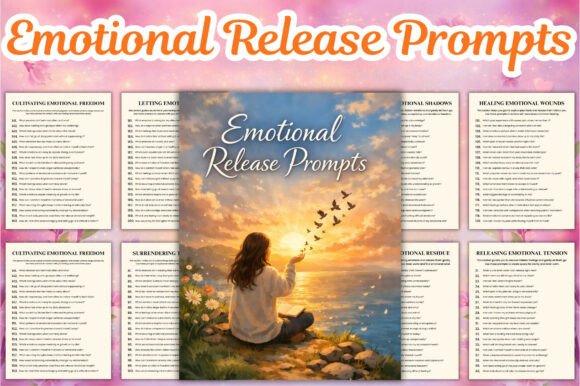
When life feels heavy, cluttered, or overwhelming, the ability to process emotions becomes essential—not just for mental health, but for sustaining creativity, productivity, and meaningful connection. The Emotional Release Prompts journal is designed as a gentle yet structured tool to help adults navigate inner tension, understand their feelings, and regain a sense of balance. Unlike a blank notebook where you might stare at the page unsure where to start, this workbook offers 300 guided prompts organized around themes like letting go, self-compassion, forgiveness, and emotional awareness. It transforms abstract emotional work into a concrete, manageable practice that fits into real life.
What Makes Emotional Release Prompts a Distinctive Tool
At its core, this workbook is built for honest reflection without judgment. The prompts are not vague or overly poetic; they are direct questions and invitations designed to surface what you truly feel. The structure includes guided emotional reflection exercises, letting go and forgiveness themes, stress release reflections, and clarity sections. This structure means you can approach the journal with a specific goal—such as releasing tension after a difficult conversation—or simply explore whatever arises.
The printable and digital-friendly format adds flexibility. You can print the pages for a tactile, screen-free experience, or upload the PDF or Canva link to a note-taking app like GoodNotes or Notability. For creative professionals, designers, and entrepreneurs who spend hours on devices, having a digital option means emotional check-ins can happen seamlessly between meetings, design sprints, or content creation sessions.
Creative Applications for Different Lifestyles
One of the strengths of Emotional Release Prompts is how adaptable it is across different routines and personalities. It is not a one-size-fits-all solution, but rather a flexible framework you can tailor to your current season of life.
For the Busy Entrepreneur or Freelancer
Running a business or managing client work comes with constant decision fatigue and emotional highs and lows. You can use the stress and tension release reflections as a five-minute reset between tasks. Instead of scrolling social media during a break, pick one letting go prompt. Write a single sentence or a full page. The act of externalizing worry onto paper clears mental bandwidth and helps you return to work with sharper focus and less reactivity.
For the Creative Professional and Marketer
Creative work often requires emotional vulnerability, whether you are writing copy, designing campaigns, or pitching ideas. Imposter syndrome, rejection, and perfectionism are real blockers. The self-compassion and healing prompts are specifically useful here. They guide you to acknowledge self-doubt without letting it define your capabilities. By regularly engaging with these prompts, you build emotional resilience that directly supports creative risk-taking and authentic expression.
For the Educator or Small Business Owner
Roles that involve supporting others—teaching, leading a team, or serving customers—demand high emotional labor. Without an outlet, this can lead to burnout. The emotional awareness and clarity sections help you distinguish between what is yours to carry and what belongs to others. This clarity is grounding. It prevents empathy fatigue and helps you show up sustainably for the people who depend on you.
Adapting the Prompts for Different Formats and Goals
The true value of a resource like Emotional Release Prompts lies in how you integrate it into your existing habits. Here are practical ways different users can adapt the workbook for maximum impact.
Digital Journaling Workflow
If you already use a tablet for planning or note-taking, import the printable PDF or access the Canva template. Create a dedicated journal folder. Use a stylus to write directly on the pages, or type your responses in a text box. Digital formats allow you to easily search past entries, tag emotions, and track patterns over time. This approach works well for marketers and designers who prefer keeping everything in one device.
Weekly Deep-Dive Ritual
For those who want a slower, more intentional practice, select seven prompts each Sunday. Place one prompt per page in a physical notebook. Each evening, spend ten minutes reflecting on that prompt. This creates a rhythm that balances structure with spontaneity. Over the week, you cover themes of forgiveness, stress release, and self-compassion without feeling rushed. Small business owners and hobbyists often appreciate this method because it fits naturally around unpredictable schedules.
Combining with Other Wellness Practices
The prompts also work beautifully alongside therapy, meditation, or yoga. Use an emotional awareness prompt before a meditation session to set an intention. After yoga, choose a forgiveness prompt to release any tension that surfaced during practice. If you work with a therapist, you can bring insights from the journal into your sessions. This integration deepens both your self-care routine and your personal growth journey.
Practical Strategies for Staying Consistent and Honest
A journal is only as effective as your willingness to engage with it honestly. Here are grounded strategies to keep your practice clear, consistent, and genuinely helpful.
- Start small. You do not need to complete multiple prompts in one sitting. Even one prompt a day builds momentum. Set a timer for five minutes if that feels manageable.
- Resist self-editing. The goal is emotional release, not polished prose. Write fragments, bullet points, or messy sentences. What matters is that you express what is true for you in that moment.
- Create a safe container. Choose a physical or digital space where you will not be interrupted. Light a candle, put on headphones, or simply sit quietly for a moment before you begin. This signals to your nervous system that it is safe to open up.
- Revisit old entries. Every few weeks, read your previous responses. Notice shifts in perspective, recurring themes, and areas where you have grown. This reflection reinforces the value of the practice and highlights your emotional patterns.
- Use the printable option for travel. If you are a freelancer or educator on the go, print a few pages to carry in your bag. Having a physical page ready to go ensures you can process emotions even without internet access or your usual tools.
Who Benefits Most from This Journaling Practice
Emotional Release Prompts is created for adults aged twenty to fifty who are balancing ambition, relationships, and inner growth. It is especially valuable for creators, designers, marketers, educators, and small business owners who pour energy into their work and need a sustainable way to process the emotional side of that investment. If you often feel restless, anxious, or disconnected from your own feelings, this workbook provides a pathway back to clarity.
The prompts also serve people who are new to journaling and unsure how to start. Instead of facing a blank page, you receive clear invitations. Over time, this structure builds confidence in your ability to articulate and understand your inner world. For seasoned journalers, the 300 prompts offer fresh angles and deeper exploration of familiar themes like forgiveness and self-compassion.
A Gentle Path to Emotional Balance and Self-Compassion
Investing in emotional health is not a luxury; it is a foundation for meaningful work and relationships. The Emotional Release Prompts journal gives you a practical, private space to untangle complex feelings and release what no longer serves you. Whether you use it daily, weekly, or during especially intense seasons, each prompt invites you to meet yourself where you are—without pressure, without judgment.
By engaging with the guided emotional reflection exercises and letting go themes, you move from overwhelm to awareness. You begin to recognize your emotional patterns and respond to yourself with greater compassion. Over time, this practice transforms how you relate to stress, creativity, and personal growth. It is not about fixing yourself; it is about giving yourself permission to feel, process, and move forward with clarity.
For anyone navigating the beautiful complexity of adult life—career pressure, creative ambition, relationships, and self-discovery—this printable workbook is a trusted companion. It reminds you that emotional release is not a sign of weakness, but a courageous act of self-care.