1000 AI Prompt Power Book
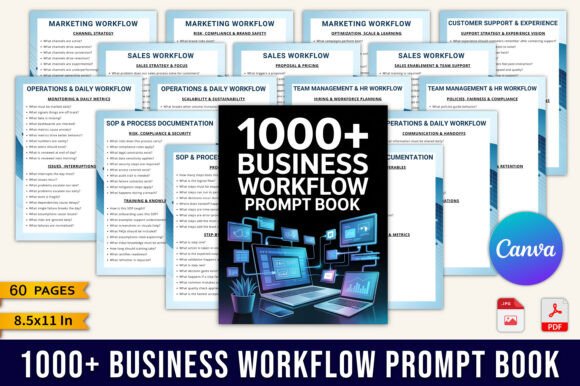
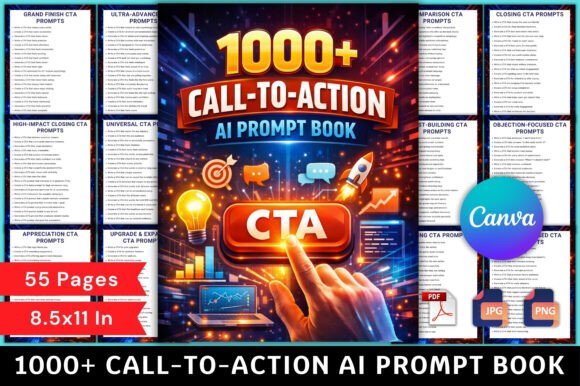
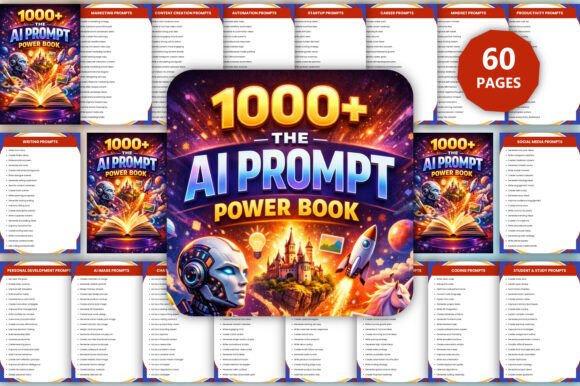
If you’ve ever asked an AI tool to write something and gotten back a generic, robotic response, you know the frustration. The output feels hollow, missing the nuance or tone you wanted. That’s where 1000 the AI Prompt Power Book steps in. It’s not a theory-heavy manual about how AI works under the hood. Instead, it’s a practical collection of ready-to-use prompts designed to help you get smarter, more useful responses from tools like ChatGPT, Claude, or any other language model. Think of it as a prompt cookbook that covers everything from content creation to automation, marketing to mindset growth. Whether you’re a solo freelancer, a small business owner, or a marketer juggling multiple campaigns, this book aims to save you time and improve the quality of your AI interactions.
Where People Actually Use These Prompts
The real value of a prompt library isn’t in reading it once and putting it on a shelf. It’s about pulling out the right prompt at the right moment. Here are some realistic scenarios where 1000 the AI Prompt Power Book becomes a daily companion.
Content Creation When the Clock Is Ticking
Imagine it’s 9 PM, you’re a freelance writer with three deadlines tomorrow. Your brain is fried, and the blank document is staring back at you. You need a blog post outline, a social media caption, and a short email sequence. Instead of spending 20 minutes crafting the perfect prompt from scratch, you flip to the content creation section. The book offers prompts tailored for viral hooks, SEO-friendly paragraphs, and storytelling structures. You grab one that says “Write an engaging introduction for a blog post about [topic] that uses a relatable everyday struggle.” You drop in your subject, and within seconds you have a solid opening. From there, you refine it in your own voice. The book doesn’t do the work for you, but it gets you unstuck fast.
Marketing Campaigns That Need Direction
Marketers often struggle with positioning, especially when launching a new product or running a seasonal campaign. Instead of brainstorming in circles, you can open the marketing section and find prompts for brand voice guidelines, A/B test variations, email subject lines, and even funnel copy. Say you’re a small e-commerce owner preparing a Black Friday sale. A prompt like “Create three urgency-driven email subject lines for a limited-time discount offer on [product], targeting previous buyers” gives you immediate options. You test them, pick the best one, and move on. Over time, using prompts like these helps you develop a consistent marketing tone that resonates with your audience.
Business Planning on the Go
Entrepreneurs and startup founders rarely have the luxury of long planning sessions. They need quick frameworks to evaluate ideas or build action plans. 1000 the AI Prompt Power Book includes prompts for generating business models, pricing strategies, and even risk-assessment checklists. Picture yourself at a coffee shop, sketching out a new service offering. You pull a prompt that says “List five alternative pricing models for a subscription-based coaching service, and explain the pros and cons of each.” The AI responds with options you hadn’t considered, like value-based pricing or tiered membership. That input might reshape your entire launch strategy.
Creative Projects That Need a Spark
Not every use case is purely business. Many people turn to AI for creativity: writing stories, designing visuals, or brainstorming names for a brand. The design and image prompts are especially handy for those who aren’t graphic designers but need thumbnails, social media visuals, or logo concepts. A prompt like “Generate a detailed image description for a book cover that combines steampunk elements with a coastal theme” helps you direct an AI image generator precisely. You can then feed that description into tools like Midjourney or DALL·E. The book doesn’t just hand you a prompt; it teaches you how to structure requests so the output aligns with your creative vision.
Productivity and Goal Setting for Real Life
Let’s be honest: productivity advice often sounds good but fails to stick. What works better is a framework that fits your current situation. The productivity and mindset section focuses on daily planning, habit tracking, and personal growth. If you’re a freelancer struggling with focus, you might use a prompt like “Help me design a weekly schedule that balances deep work, client meetings, and personal errands. Assume I have four main projects this week.” The AI generates a time-blocked plan with buffer zones. You adjust it to your needs. Over weeks, these structured prompts help you build routines without the guesswork.
Who Benefits from This Book the Most?
The short answer: anyone who interacts with AI and wants better results. But different users get different value.
- Bloggers and content creators save hours of brainstorming and outline drafting. They also learn how to adapt prompts for different platforms: short and punchy for Instagram, detailed and educational for LinkedIn.
- Small business owners find it useful for sales copy, customer FAQs, and email follow-ups. Instead of hiring a copywriter for every small task, they write competent drafts and then polish them.
- Freelancers and solopreneurs use it to automate repetitive writing tasks while keeping their personal voice intact. The prompts act like a starting block, not a final product.
- Educators and trainers can leverage the learning prompts to create lesson outlines, quiz questions, or explanations for complex topics.
- Hobbyists and everyday users discover creative applications: writing personal letters, planning travel itineraries, or generating meal plans based on dietary preferences.
The unifying thread is that users don’t need to be prompt engineers. They just need a library that covers common scenarios, so they don’t reinvent the wheel every time.
What to Consider Before You Start Using Premade Prompts
Having a book of a thousand prompts sounds powerful, but effectiveness depends on how you use it. Here are a few practical considerations.
Adapt Prompts to Your Context
No prompt works perfectly out of the box for every situation. The book gives you a strong foundation, but you’ll often need to tweak the variables—change the tone, add specific constraints, or adjust the output length. For example, a prompt designed for a “professional email” might work well for a corporate audience but feel stiff for a creative agency. You learn to spot these differences and modify accordingly. Over time, you develop a sense of which prompts need minimal editing and which need a complete rewrite.
Understand the AI’s Limitations
Even the best prompt can’t force an AI to know facts it wasn’t trained on, or to stay perfectly on brand without clear guidance. The book helps you set expectations. If you use a prompt for a “long-form sales page,” the AI might produce a generic structure. You still need to inject your unique selling points, customer stories, and specific benefits. The prompt is a scaffold, not a finished house.
Combine Prompts for Complex Tasks
Sometimes one prompt isn’t enough. For a big project like launching a newsletter, you might chain several prompts: first generate topic ideas, then outline a few editions, then write intro paragraphs, then craft CTAs. The book organizes prompts by category, making it easy to pull from multiple sections. You become your own workflow designer, using the prompts as building blocks.
Real Outcomes You Can Expect
People who actively use 1000 the AI Prompt Power Book report feeling less overwhelmed when starting creative or business tasks. Instead of staring at a blinking cursor, they have a starting point. They spend less time tweaking instructions and more time refining results. Freelancers say they can take on more clients because prompt drafting becomes faster. Marketers notice that campaign copy feels more targeted because the prompts force them to specify audience, tone, and intent.
But the biggest shift is often mental: you stop treating AI like a magic box and start treating it like a collaborator. The prompts teach you how to ask better questions, and that skill carries over even when you’re not using the book. You begin noticing how small changes in phrasing lead to dramatically different outputs. That awareness alone can raise the quality of everything you produce with AI.
If you’re looking for a resource that ties practical use to daily situations rather than academic theory, this book fits naturally into your workflow. It doesn’t promise to replace your creativity or judgment. It promises to give you a faster, smarter way to tap into AI’s abilities, whether you’re writing an ad, designing a logo, or planning your week.