Kids' Everyday Log Book
A well-structured daily log can transform how a child approaches learning, routines, and self-expression. The Kids' Everyday Log Book offers a gentle, fun framework for children to track their activities, reflect on their feelings, and celebrate small wins. Designed with both home and classroom use in mind, this 30-page resource blends practical tracking with creative freedom. Whether you are a parent looking to build consistency in your child's day, a teacher seeking a simple classroom tool, or a homeschooler wanting a lightweight accountability system, this log book adapts to your situation without feeling like a chore.
What Makes This Log Book Different
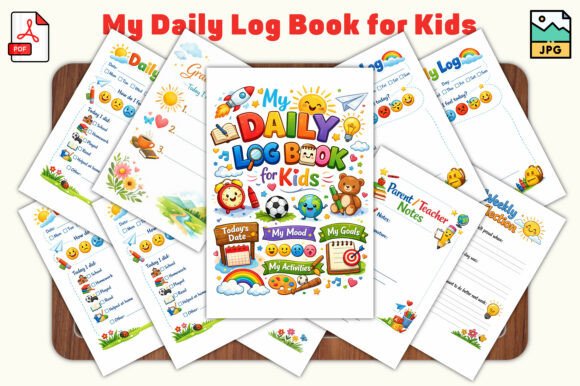
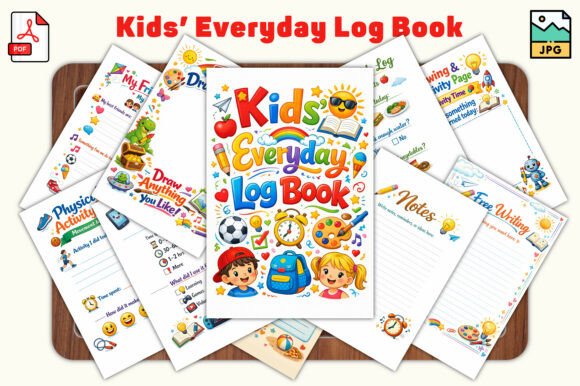
Unlike rigid planners that demand daily entries, this log book balances structure with flexibility. It includes sections for daily routines, learning logs, behavior tracking, creative drawing, mood check-ins, gratitude prompts, achievement rewards, and parent-teacher feedback. Each spread gives children a sense of ownership over their day while offering adults a window into their world. The 6 × 9 inch size feels manageable for small hands, and the 30-page count means it can be used for a full month or spread out over a longer period depending on the child's pace.
The book does not assume every child learns the same way. It leaves room for drawing, free writing, and personal notes alongside the structured tracking pages. This makes it suitable for preschool and primary school children with varying literacy and motor skill levels.
Parents and Caregivers Building Daily Habits at Home
If you are a parent trying to help your child move through mornings, schoolwork, and evening routines with less resistance, this log book offers a concrete tool. Instead of repeating verbal reminders, you can let the book become the gentle guide. For example, a child can check off tasks like brushing teeth, packing their bag, finishing homework, or reading for 15 minutes. The behavior and habits tracker helps children see patterns over time, which often leads to more self-awareness than a simple reward chart can provide.
The mood and feelings sections are especially helpful for children who struggle to articulate what they experienced during the day. A child who circles "sad" on Tuesday and "happy" on Thursday gives you a starting point for a conversation. Over weeks, you may notice emotional patterns linked to specific activities, social situations, or tiredness. This insight helps you adjust routines or offer support at the right moments.
Educators and Classroom Teachers
In a classroom setting, consistency across students can be challenging to maintain. The Kids' Everyday Log Book works well as a morning check-in tool or end-of-day reflection activity. Teachers can use the learning, reading, writing, and math log sections to track individual progress without adding administrative burden. A first-grade teacher might ask students to fill out the reading log after independent reading time, while a second-grade teacher could use the math log to record which skills a child practiced that day.
The parent-teacher feedback pages create a simple communication bridge. Instead of writing long notes, a teacher can circle a checkpoint or write a brief observation, and parents can respond in the same space. This reduces the friction of back-and-forth emails while keeping families informed.
Homeschooling Families Seeking Lightweight Structure
Homeschooling parents often juggle multiple children, curriculum choices, and ever-changing schedules. A log book that covers subjects, behavior, and emotions in one place can reduce the mental load of tracking everything separately. You might use the weekly review and progress reflection pages every Friday to look back at what worked and what did not. This practice helps both parent and child notice growth, not just in academic areas but in habits and emotional regulation.
Because the book includes drawing and creativity pages, it doubles as a portfolio of your child's thinking. A child who drew a detailed picture of a science experiment or wrote a short story in the notes section can look back months later and remember the experience. This builds a sense of accomplishment that traditional checklists sometimes miss.
Freelancers, Small Business Owners, and Publishers Creating Educational Products
If you create or sell educational resources, the design of this log book offers insights into what a modern, kid-friendly tracking tool looks like. The balance between guided prompts and open-ended spaces, the inclusion of emotional and creative elements alongside academic ones, and the practical sizing all matter when developing your own products. You might examine how the achievement rewards pages motivate without relying on external prizes, or how the gratitude sections teach reflection without becoming preachy.
Publishers and content creators can also use this log book as a reference for design decisions: 30 pages is short enough to avoid overwhelming a child but long enough to see real progress. The mixed use of structured logs and free drawing spaces shows that children need both predictability and creative release within the same resource.
Beginners New to Structured Tracking for Children
If you have never used a child planner or log book before, starting with a simple, low-commitment option makes sense. A 30-page book is not intimidating. You can try it for a few weeks and decide whether the format fits your child's personality and your family's rhythm. The notes and free writing space gives beginners room to experiment—maybe your child prefers drawing over writing, or likes to add stickers alongside checkboxes. There is no pressure to use every section perfectly.
For a hesitant child, you can begin with just the mood tracker and one daily routine checkbox. Over time, you can introduce the reading log or the creativity page. This gradual approach reduces resistance and lets the child discover the book's value at their own pace.
Ease of Use and Daily Implementation
The 6 × 9 inch size fits into most bags and folders. The 30 pages are arranged so that each day has dedicated space for routines, learning, feelings, and a small creative activity. Children who are still learning to write can draw or use single words. Older primary students can write full sentences in the notes and free writing sections. The format does not require adult guidance for every entry, which makes it practical for busy mornings or independent work times.
For teachers managing multiple students, the straightforward layout means less time explaining and more time using. A child can open the page, see the structure, and begin working without step-by-step instruction.
Cost and Longevity
With 30 pages, this log book is affordable enough to use for one month and then decide if a longer version or a different format would work better. Families on a budget will appreciate that a single book can be used across multiple weeks without becoming repetitive. The included high-quality JPG and print-ready PDF formats give you the option to print additional copies at home if you need more time with the format or want to use it for multiple children.
For publishers and creators, the file formats included make it easy to adapt this concept into digital products or printed editions. The clean design translates well to screen use for tablets or digital notebooks, and the print-ready PDF ensures consistent results when produced at home or through a printing service.
Quality and Kid-Friendly Design
The pages include varied layouts: checklists, open drawing spaces, writing lines, and simple emoji-style mood markers. This variety keeps children engaged across the month. The achievement rewards pages let children look back at their progress rather than just rushing through daily tasks. The final thank-you page adds a feel-good ending that encourages children to continue their tracking journey, even after the book is complete.
For educators and parents who care about emotional development, the balance of structured tracking with free expression supports both cognitive and emotional growth. Children learn that their feelings matter as much as their completed tasks, which builds a healthier relationship with personal accountability.
Who Should Not Use This Log Book
This resource works best for children aged roughly 4 to 10 who are beginning to take responsibility for their daily routines but still need a friendly guide. If your child is already using a detailed planner with strict time blocks, this book may feel too open-ended. Similarly, if you need a purely academic tracker with subject-specific grade sheets, the Kids' Everyday Log Book will not replace a formal gradebook or curriculum tracker. It is designed for habit formation, emotional awareness, and light academic tracking, not for heavy data collection or advanced goal setting.
For teenagers or children who resist any kind of structured reflection, a shorter, more gamified approach might work better. This book assumes a gentle, cooperative tone, which suits children who respond well to positive reinforcement and visual progress.
How to Decide If This Log Book Fits Your Needs
Ask yourself what outcome you want. If your goal is to help a child build consistent morning and evening routines, the daily activity sections will serve you well. If you want to encourage emotional expression and gratitude, the mood and gratitude pages are your focus. If you are a teacher looking for a simple weekly reflection tool, the weekly review page can be the centerpiece of your classroom check-in routine.
For creators and publishers, consider this book a model of how to combine functional tracking with creative freedom. The way it balances instruction with open space is a lesson in designing for young users who need both guidance and autonomy.
No matter your audience, the Kids' Everyday Log Book offers a low-pressure, high-engagement way to introduce children to the idea that their daily choices, feelings, and efforts are worth noticing. That lesson, practiced in small daily doses, builds a foundation for self-awareness that extends far beyond the 30 pages.